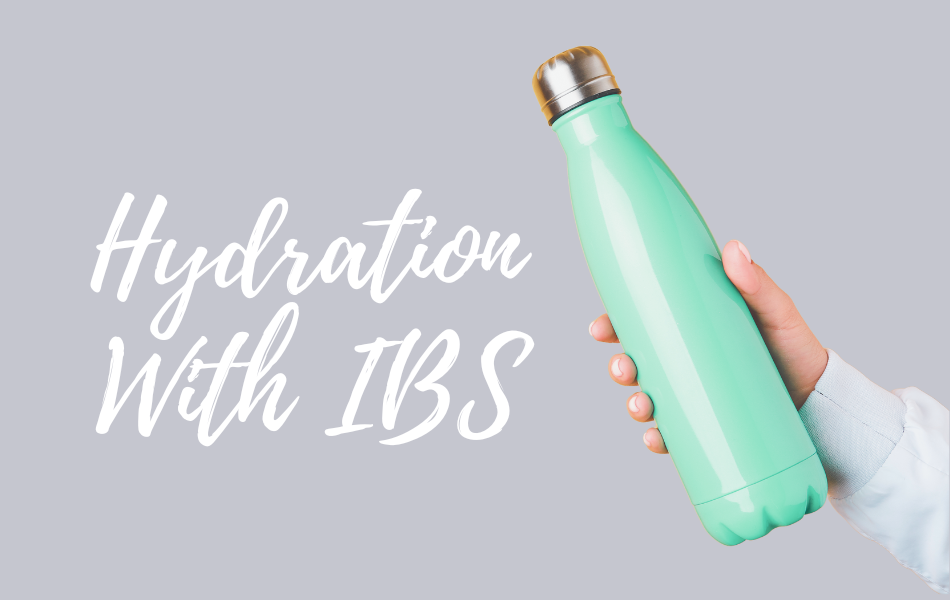
Love It or Hate It – Why Drinking Water Is Non Negotiable for Gut Health
Water. The most basic thing in the world – and somehow one of the things people struggle with most.
I hear it ALL the time: ‘I don’t like water.’ ‘It tastes horrible.’ ‘I forget.’ ‘I’ll be in the loo all day.’ ‘Surely tea counts?’ And meanwhile, the gut is attempting to digest food, absorb nutrients, move waste through the bowel and keep everything functioning with nowhere near enough fluid to do the job properly.
In my experience, a huge number of people struggling with bloating, constipation, diarrhoea, reflux, abdominal pain and low energy are also under-hydrated. Water may not be the only answer, but if the body does not have enough of it, every other part of your gut-health plan has a much harder job.
Hydration is not a trendy wellness extra. It is a biological requirement. So yes, I am going to say the deeply unsexy thing: DRINK THE **** WATER.
What water actually does inside your digestive system
Water is involved from the moment food enters your mouth until the waste finally leaves your body. It helps to:
- produce saliva and support the first stage of digestion
- support the normal production and movement of digestive secretions
- break food down and help nutrients move across the gut wall
- keep bowel contents softer and easier to pass
- replace fluid lost through diarrhoea, sweating, exercise and hot weather
- support circulation, temperature control, concentration, muscles and joints
- carry waste products towards elimination through the bowel and kidneys
Your body will always prioritise survival. If fluid is limited, it protects the systems that keep you alive first. Comfortable digestion is not at the top of that emergency list, which is why the bowel can be one of the first places you notice that something is off.
Hydration and IBS symptoms
Constipation
If you are not drinking enough, the colon draws more water out of the bowel contents. The result can be harder, drier stools that are more difficult to pass. You can eat all the fibre in the world, but increasing fibre without enough fluid can leave you feeling even more bunged up. Eeesh!
Diarrhoea
Diarrhoea does not mean you should drink less because you are worried about another dash to the loo. It means you are losing more water – and potentially electrolytes – and need to replace them. During a significant or prolonged episode, plain water may not be enough on its own. Seek medical advice if you cannot keep fluids down, notice blood, have signs of dehydration, severe pain, fever or symptoms that persist.
Bloating and abdominal discomfort
Some people gulp a huge glass of water after barely drinking all day and then declare that water makes them bloated. Slow down. A large volume swallowed quickly can feel uncomfortable, especially when the gut is already irritated. Little and often is usually much easier than playing hydration catch-up at 9pm.
Fatigue headaches and brain fog
Low fluid intake does not only show up in the bowel. Headaches, sluggishness, poor concentration and that flat, heavy feeling can all be signals that hydration needs attention. Before reaching automatically for another coffee, have a proper glass of water and see what changes.
How much water should you drink
There is no single magic number that suits every body. Your needs change with your size, activity, diet, climate, health, medication, pregnancy, menopause and how much fluid you are losing.
A useful starting point is to drink regularly across the day and look for urine that is generally pale straw coloured. Very dark urine, a dry mouth, headaches and feeling unusually thirsty can all suggest you need more fluid. Completely colourless urine all day is not a medal, either – more is not always better.
If you have kidney disease, heart failure, another condition that affects fluid balance, or you have been given a fluid restriction, follow the advice of your medical team rather than a generic target from the internet.
Why water quality matters
Drinking enough matters. But so does whether you can actually stand the taste of what is coming out of your tap.
Tap water in the UK and USA is treated and regulated, and disinfection is there for an important reason: it reduces harmful microorganisms. However, water can still pick up a noticeable chlorine taste or odour, and the final quality at your glass can be influenced by the source water, treatment process, local network and the plumbing inside your own property.
Older pipes and fittings can also introduce metals such as lead. Other concerns vary by area and may include PFAS, pesticides, microplastics, sediment and treatment by-products. This does NOT mean that every glass of tap water contains every contaminant. It means you need to choose a system according to what you actually want to reduce – and look for published, independent testing rather than a pretty jug and an impressive marketing slogan.
And when somebody tells me, ‘I don’t like the taste of water’... well, sometimes I don’t blame them. If it smells like a swimming pool and tastes like bleached sewage, it is hardly going to have you skipping joyfully towards the kitchen tap, is it?
The answer is not to live on tea, coffee, squash and fizzy drinks. The answer is to improve the water.
Three practical ways to improve your tap water
Option One – Have a proper filter system fitted
If you own your home, have the budget and want filtered water immediately from the tap, an under-sink system is the most convenient long-term option. The filter sits under the worktop and supplies either a dedicated drinking-water tap or a three-way mixer tap.
For UK readers
The Doulton Kingfisher with Biotect Ultra is a strong option. The filter unit currently costs about £255. Add a separate pillar tap at roughly £45, and the equipment comes to around £300 before fitting. If you prefer a three-way mixer tap, allow roughly £455 for the system and tap before fitting.
Its ceramic filter contains an activated-carbon core. The Kingfisher is independently tested and certified for claims including chlorine, lead and microplastic reduction, with additional published claims covering contaminants such as cadmium and mercury. A plumber may be the wisest option if drilling worktops and connecting water lines is not your idea of a relaxing Saturday.
For USA readers
The Aquasana Claryum 3 Stage Max Flow is a good fitted option. Allow approximately $200-$300 for the system before any professional installation, although prices and promotions change.
It is certified to NSF standards 42, 53 and 401 and targets contaminants including lead, chlorine, PFAS, microplastics and mercury while retaining naturally occurring minerals. Its filter set is rated for up to 800 gallons or six months.
Whichever system you choose, look at the certification for the SPECIFIC contaminant you care about. NSF 42 mainly covers effects such as chlorine, taste and odour. NSF 53 addresses health-related contaminant reduction claims such as lead. NSF 401 covers certain emerging contaminants. A certification logo by itself is not enough – check the exact product and its performance sheet.
Option Two – Use a countertop water distiller
A water distiller boils water, captures the steam and condenses it into a separate container, leaving many dissolved substances behind in the boiling chamber. It is a very different process from running water through a carbon cartridge.
For UK readers, the Waterpure four litre stainless steel water distiller with a glass collection jug is currently around £135. It makes approximately four litres per cycle and includes an activated-carbon finishing filter. Affiliate disclosure: This is an affiliate link. If you buy through it, I may receive a small commission at no additional cost to you. HOWEVER, I only recommend products I genuinely believe are useful – I’ve had mine for 4 years – and this remains my BEST BUY EVER!
For USA readers, H2O Labs sells stainless-steel countertop models with a glass carafe. Its Model 300SS is currently around $329. Waterwise is another established US option, with countertop machines generally around $389-$449. Prices change, so check the current specification, warranty and electrical safety certification before buying.
A distiller is not instant. It uses electricity, takes several hours per batch and the boiling chamber needs regular descaling and cleaning. Distilled water also contains very little mineral content, so I recommend replacing minerals through an appropriate remineralisation product or a well-balanced mineral-rich diet rather than assuming that ‘the purer the better’ answers every question.
Option Three – Upgrade to a high performance filter jug
If you rent, do not want plumbing work or simply need a lower-cost starting point, a filter jug can still be useful – but only if the filter is designed and tested for the job.
And no, the old crusty jug at the back of the fridge with a cartridge last changed at some point during the previous government does not count.
My strongest jug recommendation is the LifeStraw Home Glass Pitcher for US readers or the LifeStraw Home range for European readers. The glass pitcher is currently $64.95 in the USA and approximately €75.95 through the European store; UK retail prices will vary, so allow roughly £60-£90.
This is not a basic charcoal cartridge. It combines activated carbon, ion exchange and a membrane microfilter. Its published certifications and testing cover reductions in chlorine, lead, mercury, cadmium, copper, microplastics and certain PFAS, pesticides and other contaminants. It also retains minerals such as magnesium and potassium.
The activated-carbon and ion-exchange cartridge is rated for up to 150 litres or approximately two months, while the membrane is rated for up to 1,000 litres or a year. Follow the instructions for your exact product. A high-performance certified filter is designed to work in one pass; filtering the same water repeatedly is not a substitute for using the correct cartridge and replacing it on time.
Do not buy a filter based on the word ‘filter’
Different technologies remove different things. A product that improves chlorine taste may not reduce lead. One that reduces lead may not reduce fluoride. A filter tested for PFAS may cover only particular compounds. Distillation, reverse osmosis, activated carbon, ceramic filtration, ion exchange and membrane filtration all work differently.
Before you spend money, ask:
- What exactly do I want to reduce?
- Has this exact model been independently tested or certified for it?
- How many litres or gallons is the filter rated for?
- How often will I realistically replace and clean it?
- What will the replacement cartridges cost over a year?
- Does the manufacturer publish a proper performance data sheet?
If you are concerned about a particular contaminant in your home, check your local water-quality report and consider testing the water at the tap. That gives you something far more useful than buying the most expensive system and hoping for the best.
Common hydration excuses I hear every week
‘Water makes me bloated’
Try smaller amounts more regularly and avoid necking half a litre in one go. If even small sips repeatedly cause pain, nausea, marked bloating or swallowing difficulties, that deserves proper investigation rather than forcing more water.
‘I don’t like the taste’
Improve the quality first. Chill it, filter it properly or add fresh lemon, lime, cucumber, berries or mint if those ingredients suit your gut. Please do not disguise every glass with spoonfuls of sugar.
‘I’ll be in the bathroom all day’
If you suddenly leap from barely drinking anything to litres and litres, yes, you may wee more while your intake changes. Spread it across the day. If you have excessive thirst and unusually frequent urination that do not settle, speak to your GP or healthcare provider.
‘Tea and coffee count’
They contribute to fluid intake, but that does not make six coffees the same choice as drinking water. Caffeine can also aggravate urgency, reflux, anxiety and bowel symptoms in some people. Keep the tea and coffee if they suit you, but give plain water a proper place as well.
‘I don’t have time’
Put a glass by the kettle. Carry a bottle. Drink when you wake up, with meals, between appointments and after exercise. You do not need a colour-coded hydration spreadsheet and a £70 motivational bottle shouting YOU’VE GOT THIS at 11am. You need water within reach and a routine you will actually follow.
Simple ways to hydrate more consistently
- Start the morning with a glass of water before your first caffeine hit.
- Drink little and often instead of waiting until you feel parched.
- Keep water visible on your desk, in the car and beside the sofa.
- Use glass or stainless steel where practical rather than repeatedly heating or reusing flimsy plastic bottles.
- Increase fluids around exercise, hot weather and episodes of diarrhoea.
- Include water-rich foods such as soups, broths, fruit and vegetables when they suit your individual plan.
- Drink earlier through the day if large amounts near bedtime keep waking you up.
- Clean bottles, jugs and filter housings properly – filtered water still needs hygienic storage.
Hydration inside The IBS Freedom Method
Inside The IBS Freedom Method, hydration is not treated as a vague instruction to ‘drink more water’. We look at how much you are drinking, what you are drinking, when you are drinking it, the quality of your water and how all of that connects with your bowel movements, bloating, energy and food tolerance.
Because there is no point spending a fortune on supplements, carefully changing your diet and tracking every mouthful of food while ignoring one of the foundations your digestive system relies on every single day.
Just drink the water
Hydration is one of the simplest ways to support your bowel, energy and overall health – but simple does not mean insignificant.
Drink regularly. Improve the quality if the taste is putting you off. Choose filtration according to what it has actually been tested to reduce. Maintain the equipment properly. And stop expecting your gut to perform miracles on three coffees and half a glass of squash.
If you are struggling with constipation, diarrhoea, bloating, pain or unpredictable digestion and nothing seems to be working, hydration is one of the first places I look.
If you would like help understanding how hydration, food and digestion are working together in YOUR body, book your free Gut Health Call and let us work out what needs to change.
About Helen Jane
Helen Jane is a qualified Nutritional Therapist and IBS Coach with over ten years of experience helping people reduce IBS, bloating, food intolerances, digestive discomfort and low energy through practical nutrition and lifestyle changes. As the founder of Your IBS Freedom and creator of The IBS Freedom Method ™, she supports clients across the UK, Europe and the USA.
Disclaimer
This article is for education only and is not a substitute for personalised medical advice, diagnosis or treatment. Seek advice from your GP or healthcare professional about persistent symptoms, medical conditions, fluid restrictions or concerns about your local water supply.
