
Ever wonder why you crave sugary foods even when you know they do not do you any favours?
You have eaten, you are not physically hungry, and you had every intention of being good today… yet suddenly your brain is shouting, “I NEED SOMETHING SWEET.”
It is easy to blame yourself and assume you simply have no willpower. But sometimes, your gut is calling the shots.
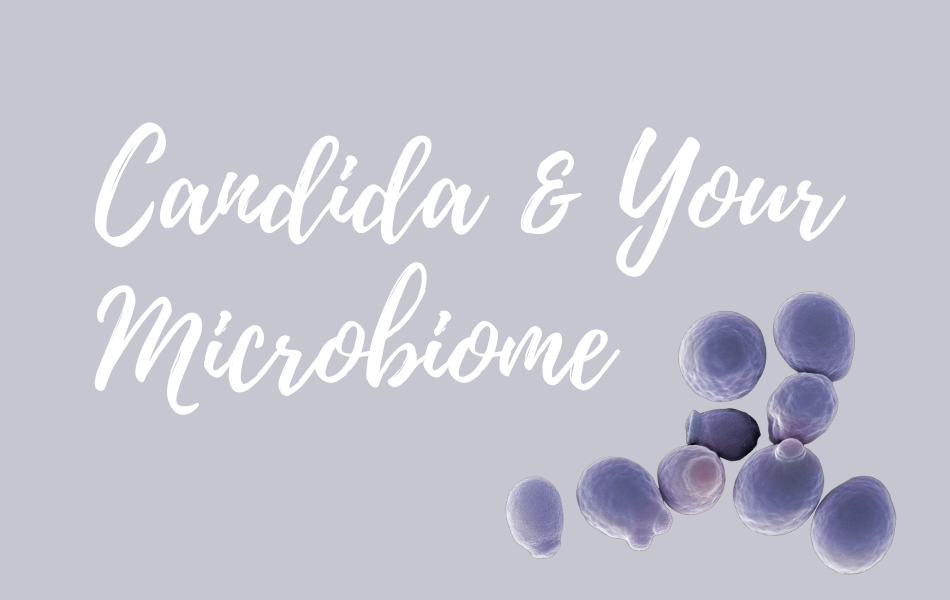
Let’s talk about Candida albicans: a naturally occurring yeast that can live quite happily in the body in small amounts, but may start causing real problems when the balance of your microbiome shifts and it is allowed to overgrow.
What is Candida albicans
Candida albicans is a sugar-fermenting fungus, or yeast, found naturally in areas including the digestive tract, mouth and vaginal tract.
In small amounts, it is completely normal. It forms part of the enormous community of bacteria, fungi, viruses and other microbes that live in and on the human body. Fungi are everywhere: in the air, on surfaces, in food and, yes, inside us too.
The problem starts when Candida is no longer being kept in check.
When beneficial bacteria are depleted, the immune system is under pressure or the environment of the gut changes, Candida can multiply. As it becomes more established, it may compete with helpful bacteria for space and nutrients, disrupt the wider microbial community and contribute to inflammation.
This disturbed microbial balance is known as microbiome dysbiosis.
What is microbiome dysbiosis…
Dysbiosis simply means that the normal, healthy mix of microorganisms living in or on the body has become disrupted or unbalanced. It may involve:
- a loss of helpful, protective bacteria
- an overgrowth of less helpful or opportunistic microbes
- reduced microbial variety
- changes to the environment in which those microbes live
Although we often use the word dysbiosis when talking about gut bacteria, it can involve any part of the microbiome, including fungi such as Candida. It may also occur in the mouth, on the skin, or within the urinary or genital tracts.
Candida overgrowth is therefore not separate from dysbiosis. It can be part of it, and it can also help keep that imbalance going. As Candida multiplies, it may crowd out beneficial microbes, alter the surrounding environment and make it harder for a diverse, healthy microbiome to regain control.
What causes Candida overgrowth
There is rarely one single cause. More often, a combination of diet, medication, stress and lifestyle creates an environment in which Candida has the opportunity to flourish.
Common triggers include:
- antibiotic use, particularly broad-spectrum antibiotics, which can remove beneficial bacteria alongside the bacteria they are intended to target
- poor digestion and an already imbalanced gut microbiome
- a diet high in refined sugar, highly processed foods and fast-digesting carbohydrates
- excess fruit and fruit sugar where the overall diet is already sugar-heavy
- frequent yeasty or fermented foods such as bread, beer, cheese and vinegar
- chronic stress and lack of sleep
- smoking and excessive alcohol
- a weakened or heavily burdened immune system
- a generally unbalanced diet that does not adequately nourish beneficial gut bacteria
When the balance tips, Candida can start to dominate. And because it relies heavily on glucose to fuel its growth, build protective biofilms and develop into a more aggressive fungal form, a sugar-rich environment gives it exactly what it wants.
For more on the effect of sugar and sweeteners on IBS and gut health, read Sugar With IBS.
Common signs of Candida overgrowth
Candida does not tend to sit quietly in one neat little symptom box. Depending on where the imbalance is occurring and what else is happening in the body, it may show up in several different ways.
Symptoms can include:
- bloating, trapped wind, constipation, diarrhoea or reflux
- changes in bowel habits that seem difficult to explain
- strong sugar or carbohydrate cravings
- fatigue, brain fog and poor concentration
- low mood, anxiety, irritability or feeling emotionally ‘off’
- sinus issues, sore throats or recurring respiratory symptoms
- skin problems such as acne, rashes or fungal infections
- oral thrush or a coated tongue
- recurrent vaginal yeast infections
- hormonal symptoms, including PMS
It can feel as though everything is a bit off without there being one obvious answer. And of course, these symptoms are not exclusive to Candida. They can overlap with IBS, food intolerances, hormonal changes and other health conditions, which is why symptoms need to be considered as part of the wider picture rather than treated as a tick-box diagnosis.
If you are unsure whether particular foods are contributing to your symptoms, you may also find IBS and Food Intolerances vs Allergies helpful.
Can Candida really make you crave sugar
Now for the REALLY interesting bit.
The idea that gut microbes can influence what you want to eat is an important area of study. This is not Candida physically sending little tendrils up to your brain and demanding a doughnut. The communication is chemical and neurological, and it happens through the gut–brain axis.
The gut–brain axis is the two-way communication network connecting your digestive system and your central nervous system. It involves nerves, hormones, immune signals, neurotransmitters and the microbes living in your gut.
Candida and other opportunistic microbes may influence cravings through several connected pathways.
1 The vagus nerve
The vagus nerve is one of the main communication routes between the gut and the brain. Changes in the microbial environment can affect signals linked with appetite, taste, fullness and reward. When sugar-hungry microbes are thriving, the messages reaching the brain may contribute to cravings that feel urgent and very physical.
2 Neurotransmitters and the reward system
Your brain uses chemical messengers such as dopamine and serotonin to regulate mood, pleasure, motivation and appetite. Gut microbes can produce or influence neuroactive chemicals that interact with the nervous system.
Eat sugar and the yeast gets fuel. At the same time, your brain receives a short-term reward signal. When that lift wears off, you may feel flat, irritable, anxious or driven to reach for another quick hit. What feels like a simple sweet tooth can become a biochemical game of more, more, MORE!
3 Blood sugar rollercoasters
Candida ferments glucose, while a diet high in sugar and fast-digesting carbohydrates can also send blood glucose up and down rapidly. When blood sugar drops, the brain interprets that as an energy emergency and calls for the quickest available fuel: usually sugar or refined carbohydrates.
So you eat sugar because you feel exhausted. You get a temporary lift. Then you crash and want more. Round and round you go.
4 Acetaldehyde and other metabolic waste
When Candida metabolises sugar, it produces by-products including acetaldehyde. This can interfere with normal neurological function and may contribute to brain fog, poor concentration, fatigue and that strange ‘hungover’ feeling some people describe even when they have not been drinking.
And what does your brain ask for when you feel mentally foggy and physically drained? Quick energy. Usually sugar.
If brain fog, anxiety or low mood tend to accompany your gut symptoms, read IBS Anxiety and Brain Fog It’s Not Just in Your Head for more on the gut–brain connection.
The Candida sugar cycle
This can create a self-reinforcing cycle:
- you eat sugar or refined carbohydrates
- Candida receives the fuel it prefers
- the yeast continues to grow and beneficial bacteria struggle to regain control
- gut–brain signals, blood sugar changes and metabolic waste contribute to cravings, fatigue and brain fog
- you reach for more sugar because your body and brain are demanding quick energy
- the cycle begins again
So no, it is not always simply a case of needing more discipline. Understanding what may be driving the craving allows you to stop fighting yourself and start changing the environment that is feeding it.
Where Candida overgrowth can occur
Candida-related dysbiosis can show up in different parts of the body:
- the gastrointestinal tract, where it may be associated with bloating, gas and changes in bowel habits
- the mouth and throat, where it may present as oral thrush
- the vaginal tract, where it may cause vulvovaginal candidiasis or recurrent yeast infections
- the skin, particularly in warm or moist areas where fungal problems can thrive
Wherever it appears, the important question is not only how to get rid of the immediate symptoms, but what allowed the balance to shift in the first place.
Why gut balance matters
Your gut is an ecosystem. When beneficial bacteria are well nourished and thriving, they help keep opportunistic microbes such as Candida under control. When those protective bacteria are depleted and the diet repeatedly supplies large amounts of sugar and processed food, the balance can shift in the other direction.
And the more Candida is fed, the more established it becomes.
This is why I focus so heavily on the microbiome inside The IBS Freedom Method. We do not look at one symptom or demonise one food in isolation. We look at the digestive environment as a whole: what is feeding imbalance, what is irritating the gut, what may be missing from the diet, and how to rebuild a stronger, more diverse microbiome.
This wider view is especially important if you already feel as though you eat well but your digestion is still struggling. You can read more in You Eat a Healthy Diet So Why Is Your Gut Still a Mess.
How do you bring Candida back into balance
Bringing Candida back into balance is not about panicking, banning every carbohydrate you have ever met or living on a miserable handful of ‘safe’ foods. It is about changing the environment that allowed the overgrowth to take hold. That usually means:
- reducing refined sugar and highly processed foods
- cutting back on the foods and drinks that continually feed the imbalance
- eating real, nourishing food that supports beneficial gut bacteria
- supporting digestion and regular bowel movements
- looking at stress, sleep, alcohol, smoking and medication history
- rebuilding microbial balance gradually and consistently
- tracking how your individual body responds rather than following random internet rules
The answer is not to throw six probiotics, three anti-fungals and a cupboard full of expensive supplements at your gut all at once. If you change everything together, you have no idea what is helping, what is making you feel worse, or what your body actually needs.
Inside The IBS Freedom Method, clients follow a structured process: first preparing the body and the kitchen, then calming the gut and supporting repair, and finally rebuilding food confidence through careful testing and reintroductions. This gives the gut time to respond while helping you understand your own patterns instead of endlessly guessing.
And if you have found yourself restricting more and more foods in an attempt to control symptoms, read Why Is the Low FODMAP Diet So Complicated before taking even more food off your plate.
My final thought
If your gut feels off, your energy is low, your thinking is foggy and your cravings feel completely out of control, there is usually a reason. Your body is responding to what is happening internally.
Once you understand the pattern and begin changing the environment within the gut, things can start to shift:
- calmer digestion
- more stable energy
- clearer thinking
- fewer cravings
- more confidence around food
You do not need another random list of foods to ban. You need to understand what is driving your symptoms and follow a clear plan to support the whole digestive environment.
Ready to understand what is going on in your gut
If you are struggling with bloating, unpredictable bowels, brain fog, low energy or relentless sugar cravings, book a Free Gut Health Call. We will talk through what is happening, look at the wider pattern, and decide whether The IBS Freedom Method could be the right next step for you.
No pressure. No generic diet sheet. Just a proper conversation about your gut and what it may need next.
About Helen Jane
Helen Jane is a qualified Nutritional Therapist and IBS Coach with over 10 years of experience helping people reduce IBS, bloating, food intolerances, digestive discomfort and low energy through practical nutrition and lifestyle changes. As founder of Your IBS Freedom and creator of The IBS Freedom Method, she specialises in helping people improve gut health naturally using food as medicine – without restrictive fad diets or unnecessary overwhelm, supporting clients across the UK, Europe and the USA. Read client success stories and reviews here.
Disclaimer
This blog is for educational purposes only and is not a substitute for personalised medical advice, diagnosis or treatment from your GP or healthcare professional. Symptoms associated with Candida overgrowth can overlap with other conditions. Speak to an appropriate healthcare professional if your symptoms are persistent, severe, recurrent or causing concern.
